Your Cart is Empty

Men’s Cowhide Leather Jackets
Shop Men’s Cowhide


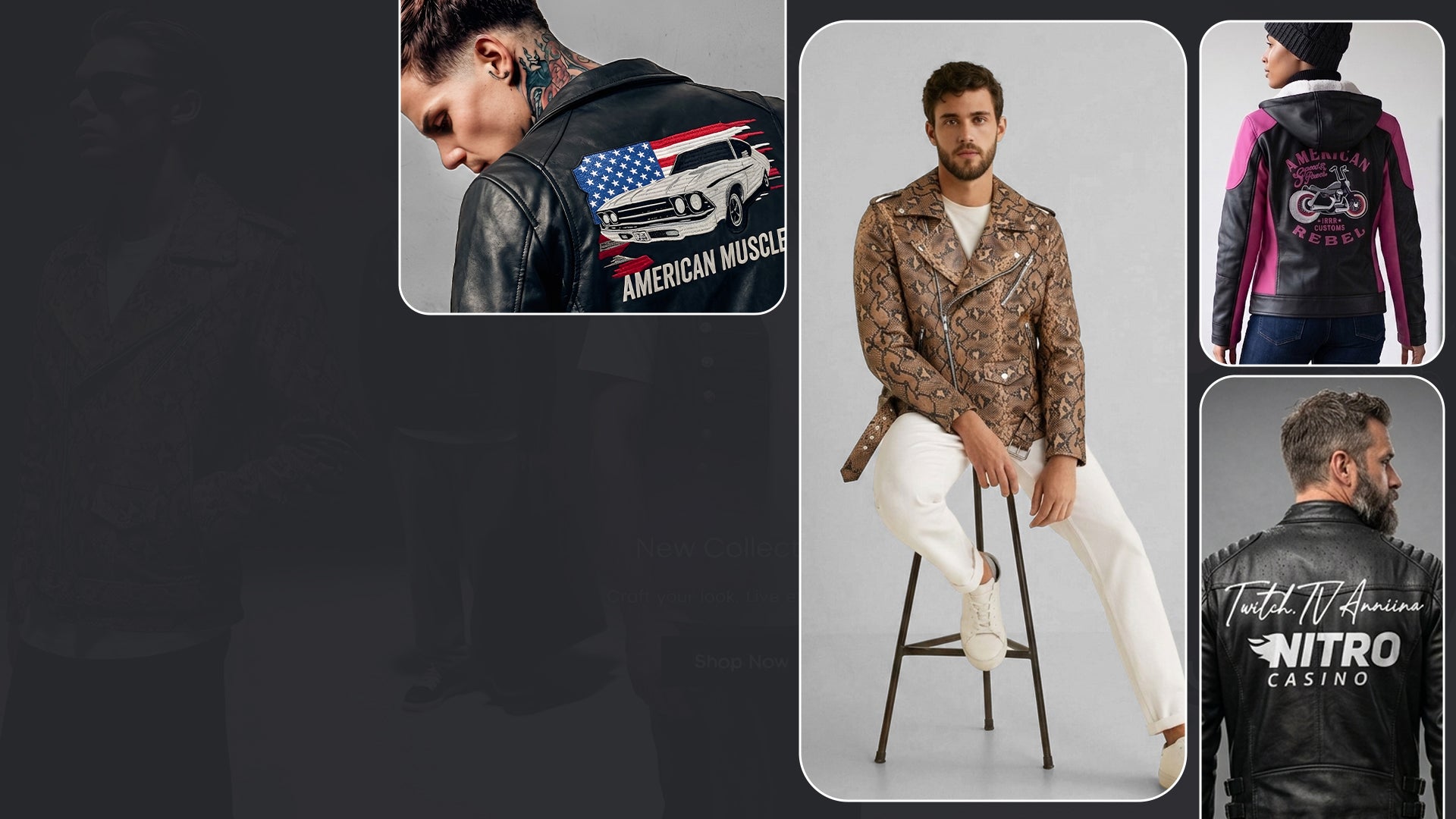
A reader-friendly guide with clear sections, helpful product pathways, and easy shopping options for jackets, boots, and custom leatherwear.
Key Takeaways:
If you have ever owned a leather wallet, jacket, or pair of boots, chances are you have used bovine leather. The term actually points towards the whole category of leather derived from members of the bovine family, including cows, bulls, steers, calves, and even buffaloes. It is the most prevalent types of leather used globally, and is incredibly valuable due to its durability, versatility and above all, availability.

This guide discusses bovine leather, starting from its meaning, origin, types, uses, and comparison with other types of leather. We'll also talk about its typical features (as the subtype features vary), common uses, pros and cons, and how to keep a bovine leather product in good shape for long. By the end, you'll have a comprehensive understanding of bovine leather and why it's a staple in the leather industry.
Guide readers toward the most relevant Leather Skin Shop categories while they are learning about bovine leather.

Bovine leather is an umbrella term used for cowhide, steerhide, buffalo hide, ox hide, and any other types of leather that are created using the skin of a bovine family species. This type of leather is favored by leather product manufacturers mainly for its durability and versatility, making it a popular choice in various industries. Also, bovines are reared for meat and milk, which makes their hides an easily available by-product, making bovine leather products affordable than other types.
Bovine leather originates from the hides of cattle, which are processed through leather tanning to create a durable material.
The leather production process involves curing the hides, in which they are salted to prevent decay. Chemical (chrome tanning) or natural (vegetable tanning) methods are then applied to preserve the crust bovine leather. After that, the leather is dyed and buffed. To enhance the texture further or to personalize a leather product, some manufacturers use techniques like leather embossing or debossing.
Since bovine animal skin is large, the hides yield bigger leather sheets, reducing waste and making production efficient.
Bovine leather market is present all around the world, but we mostly get it from:
United States: Known for high quality, full grain leather.
Brazil & Argentina: Major beef producers, supplying large quantities of hides.
India & Pakistan: Produces softer bovine leather, often used in jackets, footwear and accessories.
Europe (Italy, France, UK): Renowned for premium vegetable tanned leather.
Bovine leather varies based on the age and breed of the cattle, as well as the tanning process used. Plus there are different leather grades, such as full grain, top grain, corrected grain, bovine split leather or genuine bovine leather.
Cowhide is soft and breathable, ideal for jackets and bags but less durable than other bovine leathers. Calf leather, derived from younger cows, is even more softer. Steerhide offers the best balance of softness and strength, perfect for premium boots and gear.
Bullhide and oxhide are extremely tough but stiff, suited for heavy-duty use. Buffalo leather stands out for combining softness with rugged durability, making it great for rustic fashion.
As told earlier, bovine leather varies greatly by animal type. However, there are some common features in all, which are:
Appearance
Full grain bovine leather typically shows a natural grain pattern, which can be left intact or sanded down to make corrected grain bovine leather, depending on the desired finish. The surface may show unique markings, adding character to the material.
Thickness
This leather is generally thicker than other types, providing enhanced strength and durability. The exact leather thickness can vary, but it usually ranges between 1 to 2 millimeters.
Durability
Known for its toughness, bovine leather withstands wear and tear effectively, making it ideal for products that require longevity, such as moto jackets or work boots. Its resilience ensures that products bovine leather is used to create maintain their integrity over time.
Weight
Due to its thickness, bovine leather tends to be heavier than other leathers. This weight contributes to the sturdy feel of products made from this high quality leather.
Breathability
While not as breathable as some lighter leathers, bovine leather still offers a moderate level of air permeability, providing comfort in various applications.
Softness
Initially, bovine leather can feel stiff, but it softens with use, conforming to the shape of the user and becoming more comfortable over time. Some types, such as calfskin leather, are softer and easier to break in.
Try the ultimate comfort of bovine leather with Men’s Black Zipper Ankle Genuine Leather Boots from Leather Skin Shop.
Texture
The texture of bovine leather can range from smooth to pebbled, depending on the finishing process. This versatility allows for a variety of aesthetic options.

Bovine leather's durability and versatility make it suitable for a wide range of products in leather goods industry, including:
These relevant products connect the article’s information with ready-to-buy options from Leather Skin Shop.


Bovine leather is an excellent choice for crafting customized leatherwear due to its exceptional strength and versatility. Sourced from cattle hides, this leather offers a robust foundation for tailored pieces, ensuring the end product is highly durable.
Bovine leather adapts well to various treatments and dyes, providing endless customization possibilities. Additionally, its inherent breathability and comfort make it suitable for garments intended for regular wear, such as custom leather jackets.
Guide readers from education to action by inviting them to create a custom leather jacket with their preferred leather type, fit, color, lining, patches, embroidery and hardware.
When comparing bovine leather to other types:
Pros:
Cons:
To keep bovine leather in top condition, wipe it with a damp microfiber cloth and mild soap, avoiding harsh chemicals as they can ruin its texture. Condition it every three to six months with leather conditioner or mink oil. Store it in a cool, dry place in breathable fabric bags.
Rotate leather shoes and bags made from bovine leather to let them rest between uses and maintain their structure over time.
Buyer tip: Strong leather lasts longer when it is cleaned gently, conditioned regularly, and stored correctly. This makes the care section a natural place to move readers toward durable leather jackets, boots, and custom pieces.
Bovine leather is derived from cattle hides and is utilized in products like footwear, accessories, furniture, and automotive interiors due to its durability.
Bovine leather is made from the tanned hides of cattle, including cows, bulls, and calves.
The terms cow leather, bovine and calf leather are often used interchangeably. Both bovine leather and cow leather refer to leather made from cattle hides and share similar quality characteristics.
Genuine leather" indicates real leather, which can originate from the skin of any animal. In contrast, "bovine leather" specifically denotes leather derived from cattle hides.
It consists of collagen fibers from cattle hides, processed through tanning to create durable leather.
Yes, it is valued for its strength, durability, and versatility in various applications.
It is commonly known as cowhide leather.
Bovine leather stands out amongst all the other types of leather for its durability, versatility, easy availability, and timeless appeal. Just remember that you need to take proper care to make sure that products made from this material remain functional and attractive for years. Whether in fashion, furniture, or automotive applications, bovine leather continues to be a preferred choice for quality and longevity.
Explore durable cowhide styles, premium leather boots, and made-to-measure custom jackets from Leather Skin Shop.
Comments will be approved before showing up.


Leather jacket shoulder straps have a rich history and various practical uses that go back well over a century. So, let’s explore why do leather jackets have shoulder straps and how they are much more than just a simple fashion statement.


Puncturing a real or synthetic piece of leather with small holes in well-designed patterns creates perforated leather. These perforations improve airflow, control moisture, and regulate temperature while adding an aesthetic and unique texture.


You can rock a leather jacket in your 20s. It is equally fine if you choose to wear one at the age of 50.